To America’s eight richest billionaires: Buy yourselves some goodwill.

The eight richest people in the country could fund SNAP, which provides food benefits to 42 million low-income families and individuals, for almost two months by donating 1 percent of their net worth. This would amount to $15.79 billion.

Elon Musk, net worth $342 billion; 1 percent: $3.42 billion
Mark Zuckerberg, net worth $216 billion; 1 percent: $2.16 billion
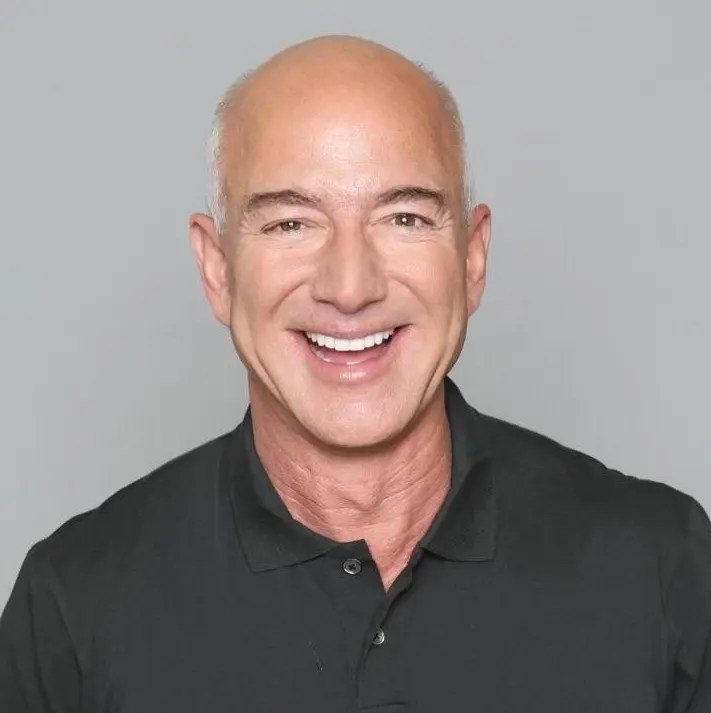
Jeff Bezos, net worth $215 billion; 1 percent: $2.15 billion
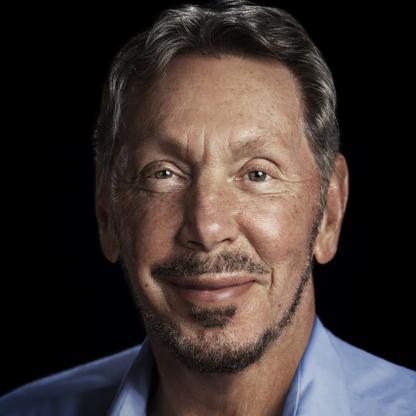
Larry Ellison, net worth $192 billion; 1 percent: $1.92 billion
Bernard Arnault and family, net worth $178 billion; 1 percent: $1.78 billion
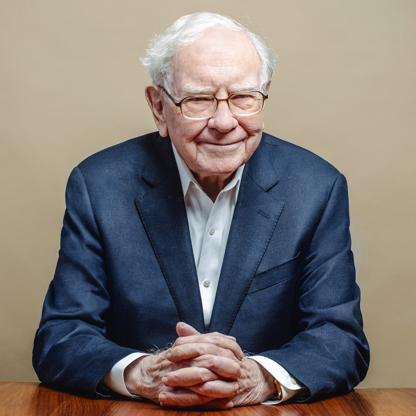
Warren Buffet, net worth $154 billion; 1 percent: $1.54 billion
Larry Page, net worth $144 billion; 1 percent: $1.44 billion
Sergey Brin, net worth $138 billion; 1 percent: $1.38 billion

The average monthly SNAP benefit is $187 a month per person. Households can’t have more than $3,000 to $4,500 in available cash (a bank account) and net income that is at or below the poverty line to qualify. The 2025 poverty line varies from $15,650 for a single person to $67,710 for a family of eight in Alaska, the state where benefits are highest. Trump is cutting SNAP benefits in half.

Jimmy Chen of Brooklyn, N.Y. started a company called Propel that provides a free app to 5 million SNAP recipients, who use it to manage their benefits. He has partnered with the nonprofit GiveDirectly to raise money and funnel it to people on SNAP.

For what would be a pittance to them, America’s eight richest billionaires have an opportunity to help millions of the country’s poorest, many of them children and seniors. We don’t need a gilded ballroom at the White House. We need those who have benefited the most from our economy to step up.

Sources:

https://www.forbes.com/billionaires/

https://www.newsweek.com/snap-benefits-november-2025-payments-update-shutdown-trump-10990656

https://www.cbpp.org/research/food-assistance/a-quick-guide-to-snap-eligibility-and-benefits

https://aspe.hhs.gov/topics/poverty-economic-mobility/poverty-guidelines

https://www.npr.org/2025/11/04/nx-s1-5587728/snap-shutdown-propel-tech-startup-cash-donations

Watch out what you wish for

Newsmax

If you think Trump’s brown-nosed minions, billionaire backers and Project 2025 blueprint won’t hurt you, read these books and view the video linked below:

“It Can’t happen Here,” by Sinclair Lewis, 1935;

“The Rise and Fall of the Third Reich,” by William L. Shire, 1960;

Illinois Gov. Jay Pritzker’s State of the State address, https://www.youtube.com/watch?v=hS66O1C7Gp4

Here we go again

newport_spanish_cruelty

Engraving, 1598

This month’s issue of National Geographic magazine features an article about human efforts to get to Mars. It has a gee-whiz tone about the technology involved, describes participants’ devotion to the quest and quotes justifications offered.

Its focus is limited to one question, put in big, bold type. “Everyone seems to agree: If humanity has a next great destination in space, Mars is it. But how attainable is it?”

No question is raised about whether we have the right to colonize and plunder another planet.

“…the spreading of life to what is now barren territory, is a morally desirable endeavor for reasons beyond how it benefits humanity,” according to the National Space Society  (NSS), whose corporate members include aerospace contractors and an adventure travel company.

Lucky Mars, to be the beneficiary of these generous imperialists (ed: strike that) forward-thinkers! Though survivors among colonized peoples may question whether it was life that was being spread or that their territory was barren, typically it became so after natural resources were extracted and much of the native population unfortunately perished upon contact with more civilized cultures.

Nobody knows whether there are living, sentient beings on Mars, or whether they’d want to share their planet, but let’s assume there are not. Why should we go?

Elon Musk, whose SpaceX company aims to land people on the Red Planet in 2025, believes a colony on Mars would be mighty handy in case some possibly self-inflicted catastrophe makes life on Earth less feasible for many. It’s not just for the bragging rights.

“There’ll be fame and that kind of thing for them,” he says. “But in the grander historical context, what really matters is being able to send a large number of people, like tens of thousands if not hundreds of thousands of people, and ultimately millions of tons of cargo.”

But what would people do up there? Not to worry – there’ll be jobs on Mars!

“We can reduce the human population of Earth not by reducing the total human population,” (thank goodness!) “but by moving people to space settlements,” say the visionaries at NSS. “Much of our mining, agriculture, and industry can also be moved to space settlements.

“The Earth can largely become a very environmentally friendly wilderness area with some parks and places of historical interest.”

No doubt that adventure travel company with the NSS will be happy to arrange vacation transport back to Earth for anyone who can get several years off from the farm, factory or mine and scrape together the $500,000 fare.

Maybe the fare will include a souvenir “Occupy Mars” T-shirt, worn by SpaceX employees, which they probably think are tongue-in-cheek. Unless, as Musk suggests, they put it in a grander historical context.